
The cinema industry has undergone significant changes over the years, with the rise of big-budget blockbusters and the decline of independent films. Despite the growing popularity of niche films, many independent filmmakers continue to face significant challenges in getting their work shown in cinemas. This issue is not unique to any particular region or country, but it is a widespread problem that affects the entire film industry.
One of the main reasons behind this struggle is the dominance of big-budget films. These movies have the resources and marketing muscle to secure prime showtimes and massive budgets, making it difficult for smaller, independent films to compete. This has led to a situation where many independent films are relegated to streaming platforms or are shown in limited capacities in cinemas.
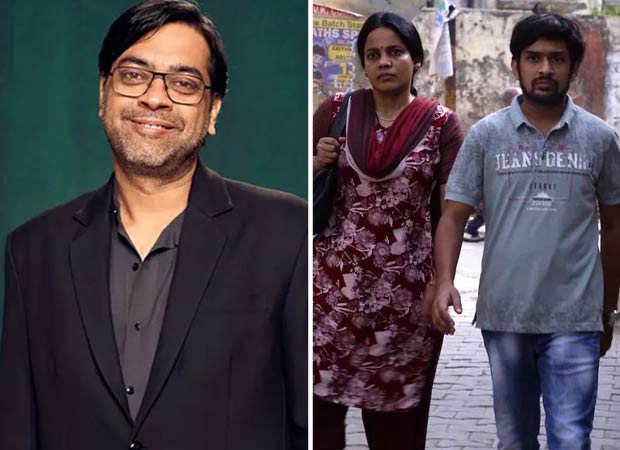
Kanu Behl, a renowned Indian filmmaker, recently expressed his frustration with this situation. In an interview, he stated that the industry needs to change and give more opportunities to independent filmmakers. He emphasized the importance of word-of-mouth publicity and the need for audiences to speak up and demand more diverse content. Behl's words resonate with many in the industry who feel that the current system is unfair and stifles creativity.
The lack of diversity in content is another significant issue affecting the cinema industry. With the rise of streaming platforms, there are more opportunities than ever for new and innovative content to be created. However, the industry's reliance on big-budget films has led to a lack of diversity in storytelling and representation. This has resulted in a homogenous film industry where the same tired tropes and formulas are repeated time and time again.
The impact of this lack of diversity extends beyond the film industry itself. It also affects the broader cultural landscape, as it perpetuates stereotypes and reinforces existing power structures. By promoting diverse and inclusive content, the industry can help to challenge these norms and create a more representative and equitable society.
Sudhir Mishra, a veteran Indian filmmaker, has been a vocal advocate for change in the industry. He believes that the key to success lies in taking risks and experimenting with new ideas. Mishra's own films, such as 'Dharavi' and 'Yeh Saali Zindagi', have been critical and commercial successes, and he continues to produce innovative and thought-provoking content.
The industry's response to this issue has been mixed, with some studios and distributors willing to take risks on independent films and others continuing to prioritize big-budget blockbusters. However, there are signs of change on the horizon. With the rise of streaming platforms, there are more opportunities than ever for independent filmmakers to showcase their work and reach a wider audience.
In conclusion, the struggle of independent films in the cinema industry is a complex issue that requires a multifaceted solution. By promoting diversity and inclusion, taking risks on new and innovative content, and giving more opportunities to independent filmmakers, the industry can create a more equitable and representative film industry. It is time for change, and it is up to the industry to take the first step.